
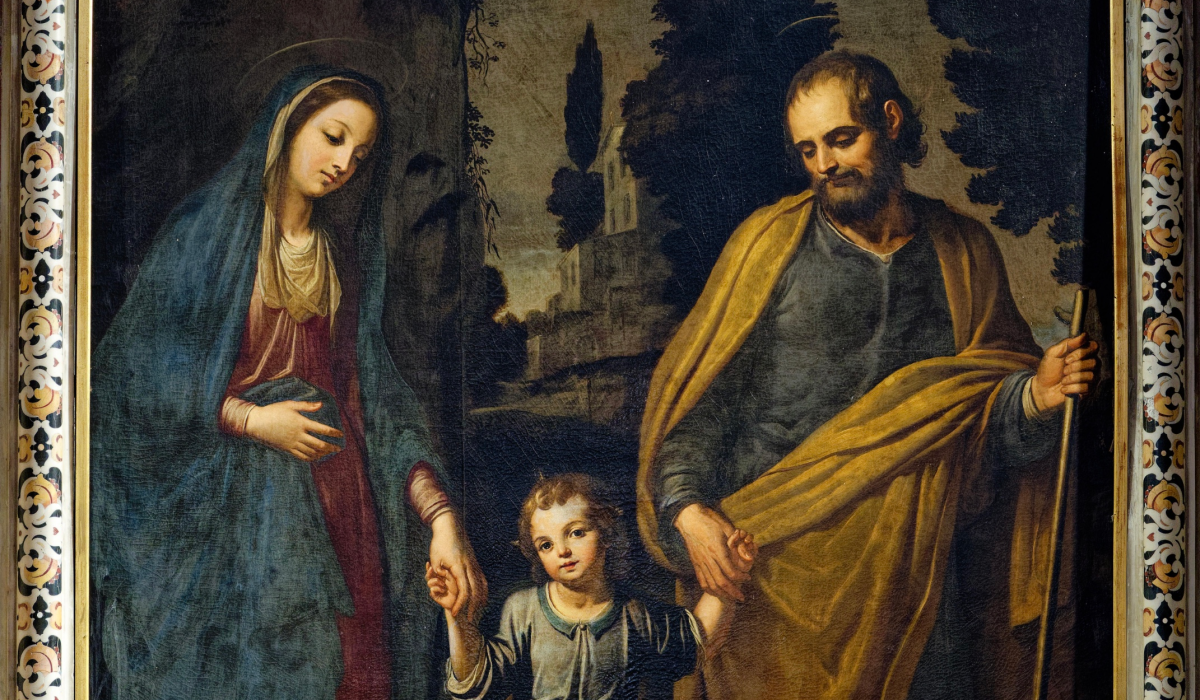

It begins in early pregnancy. Will you find out the baby’s gender? What kind of birth are you planning? And what about breastfeeding, formula, sleep schedules, diapering, co-sleeping, and attachment parenting? From the get-go, everyone has an opinion on parenting, and it can be overwhelming.
Most parents would agree that there is no more important work in life than raising our children. We all want the best for our family and the stakes only get higher as our kids get older and more advanced development and learning enter the picture. But before we get into some of the most effective tools for parenting, let’s reflect on the big picture.
According to many experts, parenting takes place on a spectrum. On one end is “permissive parenting” in which rules and consequences are set aside in favor of a child-led process. These parents may think of themselves as accompanying their child; a child’s instincts are to be followed and set the pace for family life. Children are given many choices, and they are not required to do things that don’t interest them.
On the other end of the spectrum is “authoritarian parenting.” This is a less responsive and more demand-based style. Children are meant to follow the parents’ lead unquestioningly. They must do as they are told or strict discipline follows quickly. Who wields the power in the process of development is very much at the heart of both types of parenting at the ends of the spectrum.
In the middle of the spectrum, we find “authoritative parenting.” Authoritative parenting elevates the relationship over power struggles, while also recognizing the parent’s responsibility to lead and the child’s need for firm and steady guidance.
Now that we’ve staked out the middle ground between laissez-faire and super strict parenting and have brought relationship—or communion in Trinity House parlance—into the foreground, let’s talk about some practical steps to help structure our most important job:
1) Lead with Virtues
Good parenting begins with prayer—because we need God’s grace to build up the virtues that allow us to provide the right environment in which our children can grow. So first, let’s not make good parenting more mysterious than it is. It’s largely made up of attentive presence and the consistent carrying out of the many little daily duties.
When parents lead with balanced lives that prioritize prayer and the sacraments, kindness and quality time, keeping a well-ordered home with a sensible schedule, healthy sleep, and good nutrition and exercise, the whole family thrives.
If our kids are struggling, we may need to adjust our way of leading. Parents don’t need to be perfect, but we need to be attentive to these primal sources of our child’s overall development. When parents lead with virtues, that usually forms virtuous kids.
2) Adjust for Each Child
Each child has a combination of gifts and lacks—physical, mental, and spiritual—and it’s the parent’s job to discern them in order to guide that unique child’s development. Intentional effort is required to get to know each child. This allows the parents to help the child cultivate gifts while also demonstrating unconditional love and encouragement in areas of weakness.
Throughout this process, never underestimate how physical challenges can affect child development. It’s easy to mislabel physical conditions as behavioral or intellectual—and only later find that our child needed more activity or some type of healthcare, for vision or hearing, for example.
Knowing the personality types within our families is another important step in parenting. Different types of education and discipline can be more effective depending on personality. Check out the book The Temperament God Gave Your Child by Art and Laraine Bennett or even 16personalities.com to help with discernment.
3) Hone Relationship Skills
Now, let’s talk about the heart of good parenting. It involves putting the parent-child relationship in the forefront while still cultivating parental authority. It both helps us create healthy relationships and teaches our children how to think about things and relate to people. Here are some basic points:
Be present and listen empathically. When we give our child as much positive attention as possible, we build up the capital we will truly need when we have to say no or take some time to explain how things work.
Express understanding of and compassion for differing views. Kids are wired to define themselves against their parents, so if a child is getting off on the wrong path, don’t immediately point out the error. Instead, start with acknowledging something good in their thinking (or that of their friends!). Then, when we must say “that’s not how we do things,” they will not see us as close-minded or lacking compassion; instead, it will be easier for them to hear the truth.
Lead with respect. People often need room to self-correct, so don’t be too quick to discipline. Sometimes, the best response to questionable behavior is patience; start with simply offering an observation. When people feel respected, they can often judge for themselves where they are going wrong.
Yes, parenting tends to begin with a good amount of overwhelm as we learn the basics of babies and adjust our lifestyle to accommodate their needs. As our children grow, it’s easy to slip into one extreme or the other—the “permissive” or “authoritarian” traps. But as we settle into our new life and begin actively parenting, these few steps toward authoritative parenting will go a long way toward a flourishing Trinity House — your domestic church and icon of the ever-deepening communion of the Holy Trinity!

➤ As we celebrate the Feast of Our Lady of Fatima, check out this article on nationwide rosary rallies focused on prayer for children and families, inspired by the Fatima message. (America Meets Fatima)
➤ Parenting with Grace | This book by family therapist Dr. Gregory Popcak and his wife Lisa shows Catholic parents how to parent with grace through each stage of child development.
➤ The Messy Family Podcast | This dynamic podcast from experienced parents of ten children, Mike and Alicia Hernan, offers practical wisdom.
➤ This article in Spanish, “Virgen de Fátima: “Una Señora más brillante que el sol”, provides an overview of the apparitions and the children’s testimony.

➤ Are you a parent interested in building community among families at your parish, starting this September? Discover all the details here, and easily schedule a quick 15-minute discovery call with our team here. Dioceses can benefit from a special offer: three subscriptions for just $999 (or $499/year for your parish). Take the first step toward strengthening community among families at your parish right here!
➤ Nova/DC friends: You’re invited! Save your spot here for our May 16th Heaven in Your Home Gathering at St. John’s in Leesburg (5:30-7pm). Free Paisano’s pizza / salad & childcare!
➤ Want to experience a Heaven in Your Home Gathering? Bring your family to one of these upcoming Trinity House Community Group gatherings:
Basilica of St. Mary in Alexandria, VA (in addition to 5 gatherings, their Religious Education office offers this for parents of children in their sacrament years, schedule here)
St. Rita Catholic School in Alexandria, VA (open to their school community)
St. Philip in Falls Church, VA (English group and Spanish-speaking group here)
St. Theresa in Ashburn, VA (schedule here)
St. John the Apostle in Leesburg, VA (schedule here)
Ss. Philip and James in Baltimore, MD (details here)
St. Louis School in Clarksville, MD (open to their school community)
St. Peter on Capitol Hill, Washington, DC (schedule here)
St. Theresa the Little Flower in Summerville, SC (schedule here)
St. Veronica in Chantilly, VA (schedule here)
Corpus Christi in Phoenix, AZ (schedule here)

“I have been inspired to live with God foremost in mind, whether it be in the way we decorate, in the prayers we pray throughout the day, and the ways in which we speak to and act toward each other. My husband and I are always delighted when one of our children reminds their siblings about how we are to be in right relationship with each other, and with God.”
– Madelene, Trinity House Community Group Participant